




Genome editing revolutionises tilapia production
Brazilian Fish is ushering in a new era of innovation with its groundbreaking entry into genomic editing to accelerate advancements in tilapia farming.
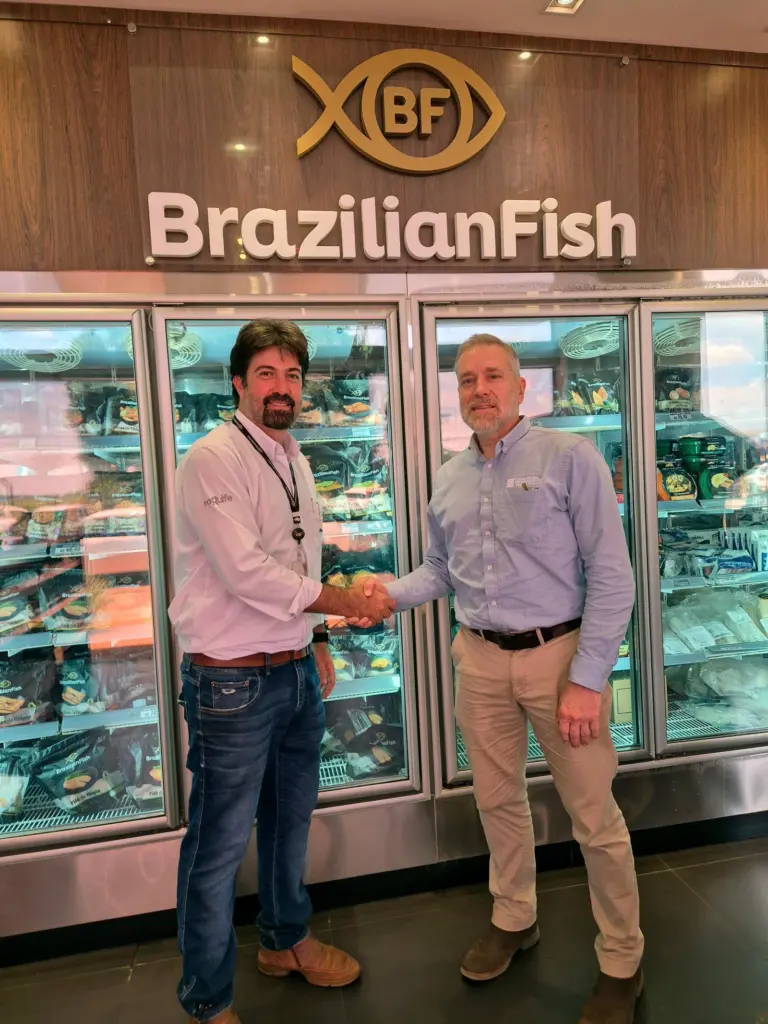
In partnership with the US-based Center for Aquaculture Technologies (CAT), Brazilian Fish aims to increase Nile tilapia production by editing specific genetic regions that influence performance traits.
“CAT scientists, working with our research and development team here at Brazilian Fish, conducted reproduction trials and produced fertilised eggs that will help create genetic improvements for better growth, yield and feed efficiency,” explained Ramon Amaral, chief executive of Brazilian Fish.
“After two years of planning and research, the first animals were successfully produced. These fish are now carefully separated and ready for performance and genomic evaluations.”
Unlike traditional selective breeding, which can take 20 years to achieve genetic improvements, genome editing allows for precise, rapid genetic changes in a single generation.
This technology promises enhanced disease resistance, better feed efficiency, improved growth performance and overall better fish health.
CAT’s work in genetic innovation has already delivered significant improvements across various aquatic species.
“This achievement underscores the transformative potential of genome editing in advancing the industry, offering sustainable and responsible solutions to meet the growing global food demand,” said Dr John Buchanan, chief executive of CAT.
Related Articles
 AQUACULTURE
 AQUACULTURE
 AQUACULTURE