




Japan’s squid farming breakthrough
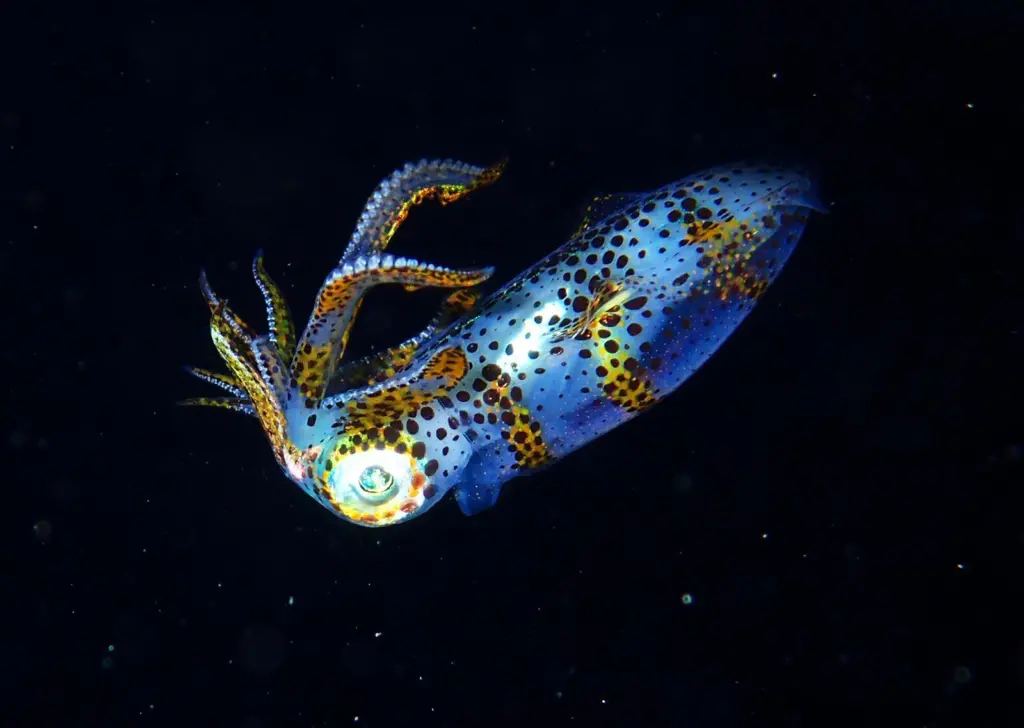
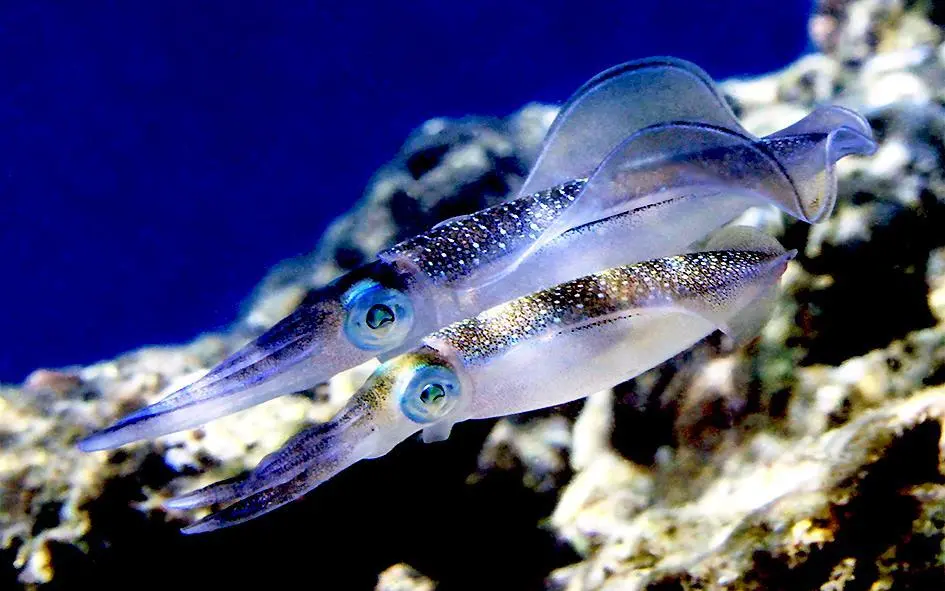
In August 2022, researchers at the Physics and Biology Unit of the Okinawa Institute of Science and Technology (OIST) announced they had developed the first squid aquaculture system with potential for commercialisation. Aimed at a group of species known as oval squid (Sepioteuthis lessoniana), the researchers hope their new system will be a way of reducing the pressure on wild squid populations and providing Japanese consumers with healthy, sustainable seafood.
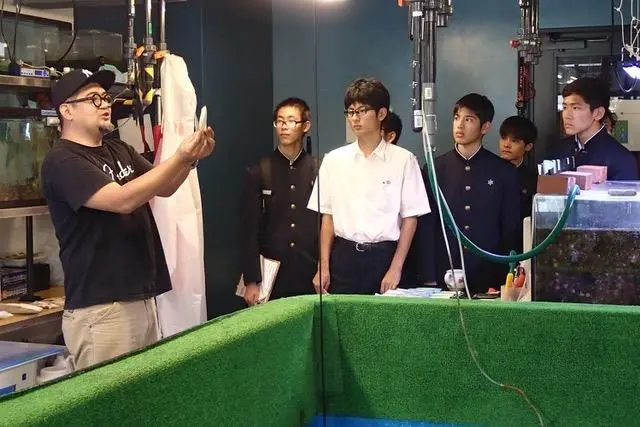
Established in 2011, OIST is an international science and technology institution that fosters collaboration among individuals from 65 countries and regions to engage in cutting-edge education and research. Among the researchers at the Physics and Biology Unit is Dr Zdenek Lajbner from the Czech Republic. He arrived at OIST in 2012 and has been involved in cephalopod research since 2014.
“I was very excited when we started to work in the brand new OIST Marine Science Station back in 2016,” Lajbner told WF. “We closed the oval squid life cycle at the station in 2017 and since then, we have been improving squid aquaculture techniques.”
As a healthy food source that is packed with protein, squid contributes to high-quality meals and forms a significant part of the Japanese diet, but catches have been declining rapidly since the late 1980s.
In 1968, Japan’s annual squid catch was at its highest at 773,777 tonnes, but the figure has continued to decline since, falling to 83,593 tonnes by 2018. As a result, Japan has had to rely on imports for a large portion of the squid it consumes. While detailed factors are unknown, the causes of the decline in wild squid are thought to be related to overfishing, poor regulatory oversight and climate change.
“We believe that the decrease in squid populations in the wild could be connected to changing oceanic currents and other environmental changes caused by a complex interplay of anthropogenic and natural factors,” said Lajbner. “Many organisms are affected by increased pollution, decreasing levels of dissolved oxygen in adjacent seas and so on.”
Difficulties overcome
Research on squid farming has been conducted around the world for many years but making it a reality has proven difficult due to the animal’s behaviour. Wild squid are known to be picky with particular food preferences, are constantly on the move, require highly oxygenated and clean water and are very sensitive to manipulation, said Lajbner.
Their skin is also delicate, and they have a complex life cycle. Any slight change in rearing environment can have disastrous consequences, as squid are extremely sensitive to water temperature and quality.
But despite the difficulties, the Physics and Biology Unit has successfully raised larvae into adults, making it possible to keep squid throughout their entire lifecycle and over multiple consecutive generations.
The unit has been focusing on the psychophysics of cephalopod camouflage since 2014, and originally needed to establish a reliable culture method for squid as part of this research. For its new rearing system, it selected the oval squid as a target species, partly based on pre-existing knowledge from prior research and also because oval squid is an excellent model for the unit’s fundamental research and is considered a delicacy in Japan as one of the highest valued squid on the food market.
While working in restricted conditions, the researchers established appropriate techniques to develop a cheap and efficient rearing method with high hatching and survival rates. The system relies on a body of research into squid feed composition for the optimal amount of feed and feeding frequency, and specifically focuses on providing good conditions for spawning and hatching with high quality food and water.
“We have been able to keep an inbred line of the oval squid for 10 consecutive generations that produced tens of thousands of high-quality fertilised eggs,” said Lajbner. “Various experiments related to squid reproduction and rearing have been conducted. There are large differences between the experiments and accidents also happen, but nonetheless, we have been able to record hatching and survival rates exceeding 90% in our inbred line.”
Commercial opportunities
Having created an optimal environment for farming squid, Lajbner went on to say that the Physics and Biology Unit’s system has significant potential to be commercialised soon.
“The unit is not engaged in aquaculture itself,” he said. “At this stage, we are continuing our work to research and develop technology that will probably help to establish commercial cephalopod aquaculture. Since our announcement last year, we have been in contact with fishing industry representatives, government bodies and other universities that are interested in the commercialisation of our research.
“There are still challenges when it comes to farming squid. These need to be addressed and solutions will differ based on various setups, but despite these challenges, I believe that the potential for squid aquaculture to be commercialised is huge. As we continue to collaborate with established companies, we are also hoping to build a new squid farm one day.”
Consumer interest
While plans for a commercial squid farm get underway in Japan, the world’s first octopus farm in Spain has environmental and animal rights activists worried. A 52,000m2 farm capable of producing nearly 3,000 tonnes of octopus per year is set to begin operations on the Canary Islands, prompting concerns it could be an ethical and environmental disaster.
While this topic is hotly debated within the global scientific community, said Lajbner, Japan has one of the highest rates of fish and seafood consumption globally, and with declines in wild squid populations likely to significantly alter the Japanese diet and culture, squid aquaculture is drawing increasing attention.
“My own research largely focuses on cephalopod behaviour and one of my aims is an improvement of captive cephalopod welfare,” said Lajbner. “Squid have an enormous cultural value in Japan and society relies on a stable supply of squid. The current population of Japan is about 125 million, and the vast majority of Japanese appear to be concerned about the lack of squid on the market.
“In this sense, we urgently need to work towards a solution that can meet the needs of cephalopod consumers, but at the same time, our role is to guarantee cephalopod welfare together with environmentally friendly and sustainable production. OIST has very strict and progressive policies regarding animal welfare and the responsible conduct of research, while potential consumers are very interested in our work and are very keen to taste farmed squid,” he said.
With further improvement of squid culturing techniques, OIST’s Physics and Biology Unit team hopes to help control the over-exploitation of natural resources including squid populations and is looking forward to promoting squid aquaculture externally for potential licensing opportunities and more.
Related Articles
 AQUACULTURE
 AQUACULTURE
 AQUACULTURE