




Iceland’s fish landings down 18% in September
A third consecutive month of significantly lower pelagic volumes led the total fish and shellfish catch recorded by Iceland’s fishing fleet in September 2024 to fall by 18% or more than 21,300 tonnes year-on-year to 98,021 tonnes, according to preliminary figures for the month gathered by the country’s Directorate of Fisheries.
Last month’s pelagic volume decreased 30% year-on-year to 59,399 tonnes, with a 28% lower herring catch (57,747 tonnes) and 98% less blue whiting (58 tonnes). The mackerel catch lifted 7% to 1,594 tonnes, while no capelin was recorded.
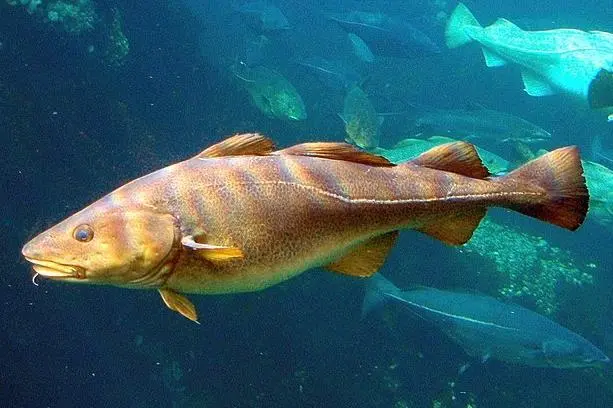
Iceland’s demersal landings in September increased 13% to 36,132 tonnes, with the cod, haddock, saithe and redfish catches rising 19% and 11%, 9% and 4%, respectively, to 20,616 tonnes, 7,647 tonnes, 2,768 tonnes and 3,336 tonnes.
Meanwhile, Iceland’s flatfish volume increased 57% to 2,060 tonnes and its shellfish catch dropped 24% to 431 tonnes.
The Directorate of Fisheries’ data also determined the October 2023 to September 2024 catch totalled 1,000,034 tonnes, which was 27% less than in the previous 12-month period. It found decreases in pelagic, flatfish and shellfish fisheries, amounting to 548,603 tonnes (-41%), 23,327 tonnes (-5%) and 4,287 tonnes (-27%), respectively.
Iceland’s demersal catch for the period increased 5% to 423,764 tonnes, thanks largely to a 23% upturn in the haddock volume, which reached 83,653 tonnes, and a 2% rise in the cod catch, which totalled 225,774 tonnes.
Related Articles
 FISHERIES
 FISHERIES
 FISHERIES