




Iceland’s October catch decreases
The volume of fish and shellfish landed by the Iceland’s fishing fleet fell by 5% or 6,368 tonnes year-on-year in October 2023 to a total 129,473 tonnes, according to preliminary figures for the month gathered by the country’s Directorate of Fisheries.
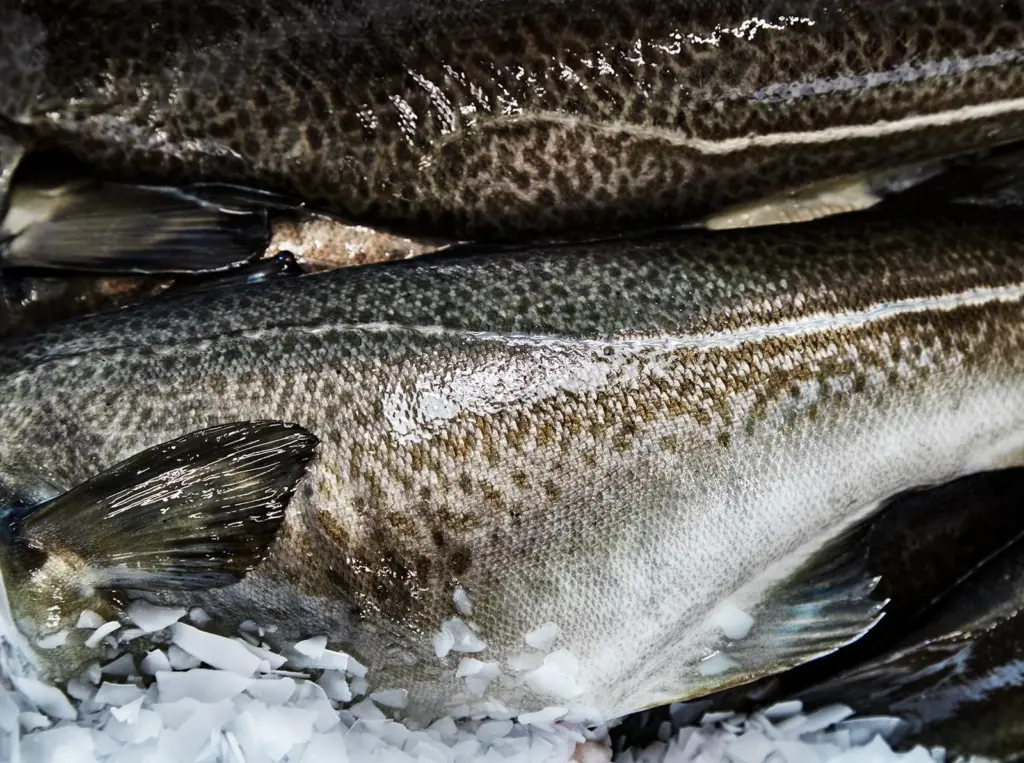
While demersal landings increased 9% to 40,246 tonnes, with the haddock catch increasing 25% year-on-year to 8,936 tonnes and saithe and redfish landings rising 9% and 31%, respectively, to 4,480 tonnes and 3,620 tonnes, the cod volume fell 24% to 21,633 tonnes.
Last month’s pelagic catch decreased 10% to 80,965 tonnes, with a 38% drop in the herring landings to 39,049 tonnes and mackerel down 84% to just 34 tonnes. There was, however, a 56% upturn in blue whiting to 41,916 tonnes. No capelin catches were reported.
Meanwhile, Iceland’s flatfish and shellfish volumed fell by 24% and 12%, respectively, to 1,348 tonnes and 507 tonnes.
The Directorate of Fisheries’ data also determined that the November 2022 to October 2023 catch totalled 1,363,217 tonnes, which was 10% less than in the previous 12-month period. There were decreases in the demersal, pelagic and shellfish categories of 8%, 12% and 3% respectively, with the volumes totalling 405,765 tonnes, 927,363 tonnes and 5,834 tonnes.
Flatfish landings increased 16% on the previous 12 months to 24,209 tonnes.
Related Articles
 FISHERIES
 FISHERIES
 FISHERIES