




Iceland’s summer coastal catch valued at ISK 5 billion
The total volume of fish and shellfish landed by the Iceland’s coastal fishing boats this summer increased by 10% or 1,123 tonnes compared to summer 2023, totalling 12,499 tonnes, while the value of these catches climbed 11% to more than ISK 5 billion, the latest figures from Statistics Iceland confirm.
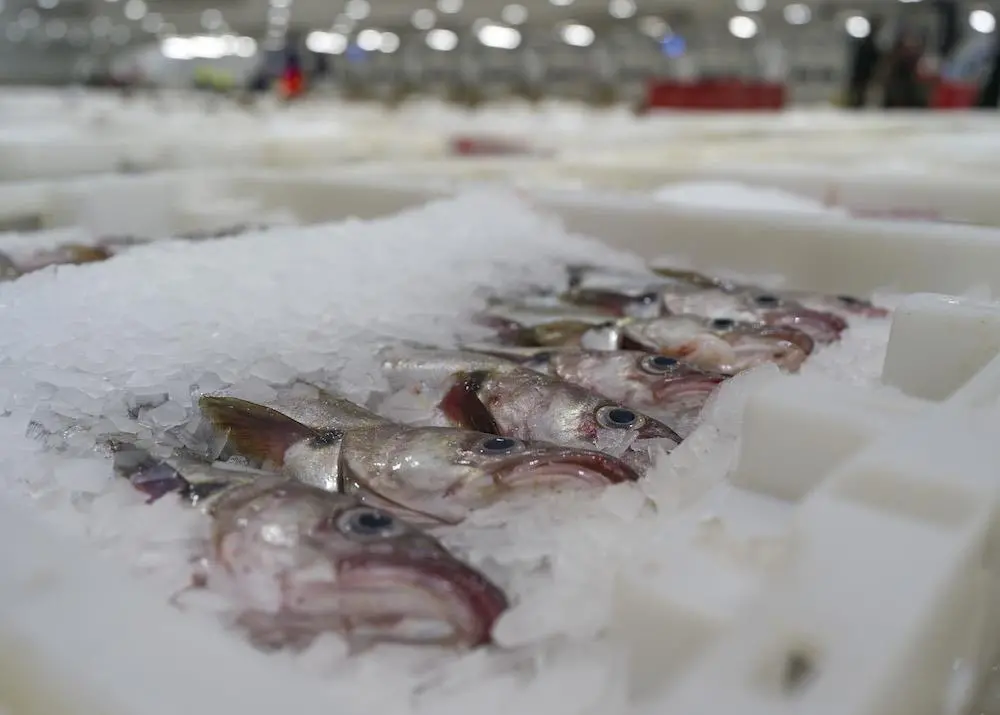
Nearly 94% of the coastal fish catch was cod, with the remainder being mostly saithe.
In the first seven months of the year, the total catch was 564,809 tonnes, which was 36% less than during the corresponding period of 2023. The value of these landings was down 20% to ISK 94.6 billion.
In terms of species categories, the demersal fish catch increased by 7% to 250,410 tonnes, while the pelagic catch decreased by 53% compared with the previous year to 298,812 tonnes, due to no capelin being caught this year.
The demersal landings value for the period fell by 3% to ISK 73.8 billion, with 130,803 tonnes of cod valued at ISK 47.7 billion, 48,206 tonnes of haddock at ISK 11 billion, 24,373 tonnes of saith at ISK 5.4 billion and 22,608 tonnes of redfish worth ISK 5.8 billion.
According to the data, the largest value decline was a 61% drop in the pelagic category to less than ISK 13 billion. Just 4,117 tonnes of mackerel was recorded, with a value of ISK 305 million. The mackerel catch of 46,220 tonnes was worth ISK 3.7 billion, while 248,471 tonnes of blue whiting was valued at almost ISK 9 billion.
Meanwhile, the coastal fleet’s flatfish catch for the seven-month period decreased 3% in volume and 12% in value to 13,438 tonnes and ISK 7.3 billion, and its shellfish volume fell 3% year-on-year to 2,136 tonnes and lost 29% of its value at ISK 546 million.
Related Articles
 FISHERIES
 FISHERIES
 FISHERIES