




Sustainability boost for Southeast Asia shrimp farming
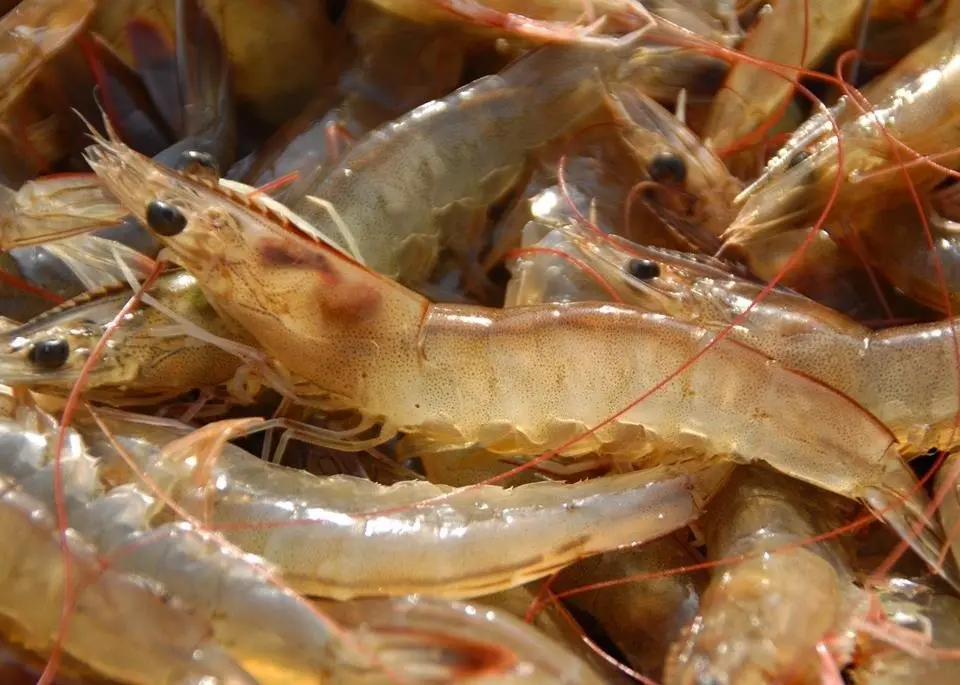
A project led by University of the West of Scotland (UWS) scientists is looking to transform shrimp farming in Southeast Asia by developing low-cost, early-warning monitoring systems to improve sustainability in one of the region’s most vital industries.
Backed by the International Science Partnership Funds (ISPF) and UK Research and Innovation (UKRI), the GBP 3 million grant project brings together leading scientists from UWS, Can Tho University in Vietnam, Vidyasirimedhi Institute of Science and Technology in Thailand, University of Strathclyde and the James Hutton Institute.
The three-year project, aims to arm small-scale shrimp farmers with affordable tools to monitor water quality, detect pathogens and predict environmental threats in real-time.
While shrimp farming is a major economic driver in Vietnam and Thailand, providing millions of jobs and contributing significantly to global seafood exports, disease outbreaks and environmental challenges cost the industry billions of dollars every year, with existing monitoring technologies often too expensive or complex for small farmers – leaving them vulnerable to sudden losses.
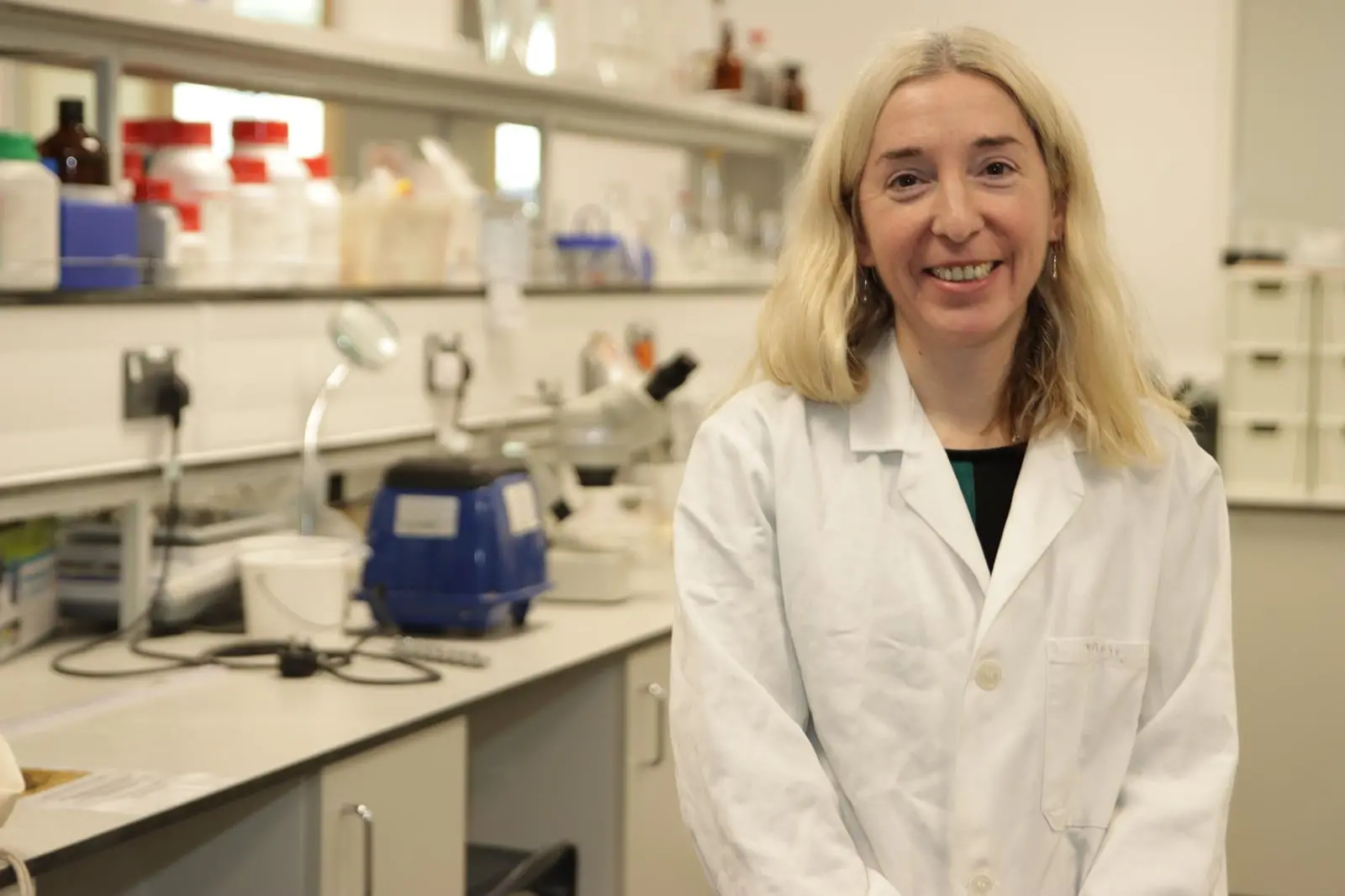
Explaining the significance of the research, UWS’s Professor Kath Sloman, who will lead the project, said: “The aquaculture sector in Southeast Asia is vital for livelihoods and food security, yet small-scale farmers face huge challenges in managing disease and water quality. Our project will co-develop accessible, low-cost biosensors and climate models to empower farmers with real-time data, allowing them to act before disease strikes. This is about boosting resilience, increasing productivity and ensuring sustainability.”
The project will combine the local knowledge of shrimp farmers with expertise in biosensing technology, climate modelling, aquatic health, and artificial intelligence. The team is working on a handheld sensor that can quickly detect pathogens and harmful nitrogen levels in pond water, alongside an AI-driven prediction tool that uses climate data to forecast disease risks.
Professor Fiona Henriquez-Mui, Project Co-Lead and expert in Parasitology/Protistology and host-pathogen interactions, from the University of Strathclyde, said: “By working closely with local farmers, we are ensuring that the tools we develop are not just scientifically advanced, but also practical, affordable and easy to use. This research has the potential to drastically reduce shrimp mortality rates and increase yields.”
The study will also pioneer gender-inclusive approaches to aquaculture, ensuring that both men and women in the industry benefit from training and technology adoption.
While the project focuses on shrimp farming in Vietnam and Thailand, the technology is highly adaptable and could be expanded to other aquaculture systems across Southeast Asia and beyond.
“This is an exciting step forward in precision aquaculture. The low-cost, real-time monitoring system we’re developing could be a blueprint for sustainable fish farming worldwide, helping to tackle food security challenges in a changing climate,” Professor Damion Corrigan, Chair in Measurement Science for Health and biosensing expert at the University of Strathclyde said.
Underlining the local impact, Dr Huynh Viet Khai, Project Co-Lead from Can Tho University (CTU), Vietnam, noted that for small-scale farmers in Vietnam, access to reliable, affordable technology can make the difference between a successful harvest and devastating losses.
“By integrating climate models and biosensors, we are giving farmers the tools they need to adapt to environmental changes and protect their livelihoods.”
Professor Albert Schulte, Project Co-Lead from Vidyasirimedhi Institute of Science and Technology (VISTEC) and expert in analytical chemistry & electrochemical biosensing added that developing low-cost, field-deployable biosensors that deliver accurate results in real-time will be a huge step forward for sustainable aquaculture.
“This technology will enable farmers to detect and mitigate risks faster than ever before,” he said.
The project team noted that their initiative aligns with Vietnam and Thailand’s national aquaculture growth strategies and said the project’s findings can contribute to long-term economic and environmental sustainability.
Professor Rupert Hough, Head of Information and Computational Sciences at the James Hutton Institute, said: “Shrimp farming is vital to the livelihoods of so many people in southeast Asia and the digital tools we will develop will help support decision making around futureproofing against impacts of climate change.”
The research team, which also includes Co-Leads, Dr Mhairi Alexander, Professor Jose Alcaraz Calero (both from UWS), Dr Bui Thi Bich Hang (CTU) and Professor Wipa Suginta (VISTEC) will engage with farmers, policymakers and industry leaders throughout the project, with plans to develop training programmes and a mobile app for real-time monitoring.
Related Articles
 AQUACULTURE
 AQUACULTURE
 AQUACULTURE