


Harnessing the power of fish waste – creating solutions in Kenya
Fish waste is a significant issue in aquatic food systems. It impacts not only economic efficiency and profitability but also environmental sustainability and food security. Reducing waste is essential to optimise the use of natural resources, improve the livelihoods of those dependent on sectors like fisheries and aquaculture, and ensure the sustainability of aquatic ecosystems.
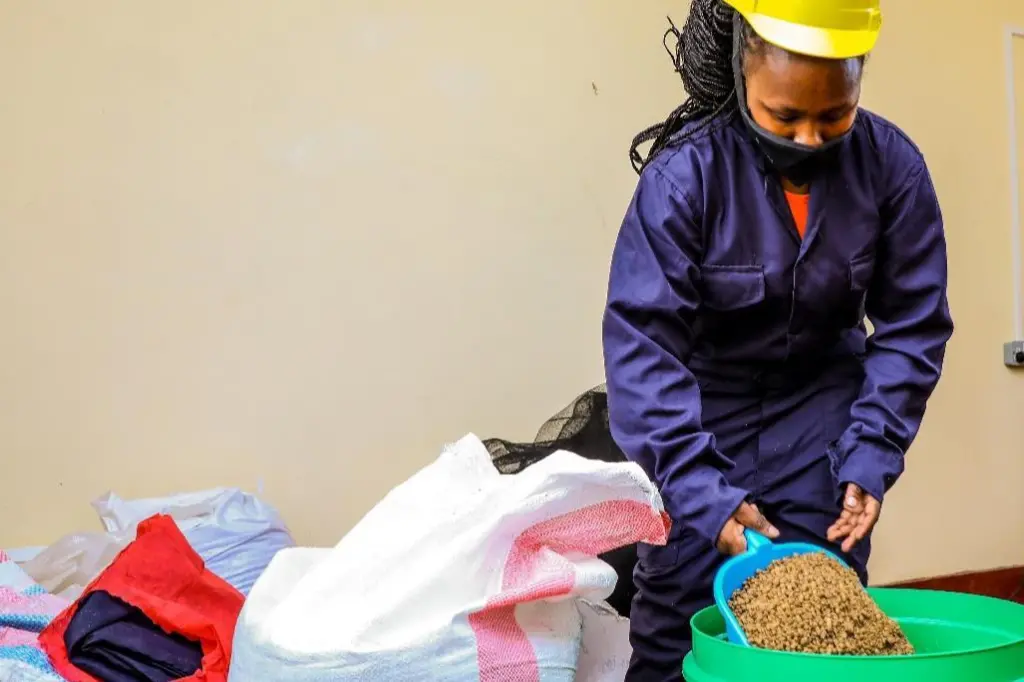
Faith Mwende, Director at processing firm Sea Ventures, in the coastal region of Utange in Mombasa, Kenya, recognises this all too well. Mwende became inspired to make a difference after witnessing first-hand the challenges faced in coastal communities, from post-harvest losses to environmental degradation caused by fish waste. These experiences sparked her interest in finding sustainable solutions that could create both economic opportunities and environmental benefits.
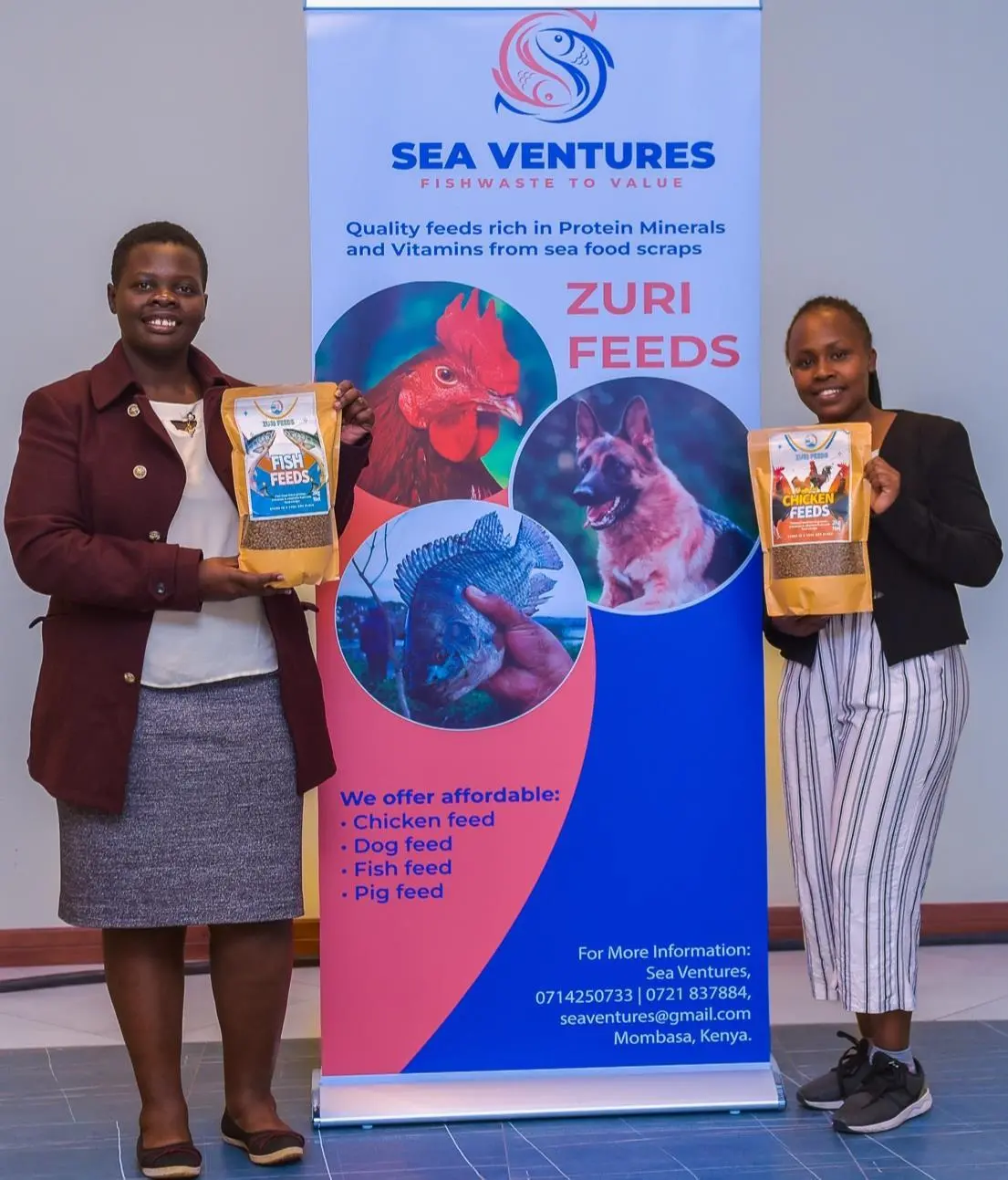
To reduce fish waste, support fishermen and fish farmers and foster a more resilient local food system, Mwende established Sea Ventures in January 2023, and developed a brand of products known as “Zuri Feeds” – organic animal feeds and fertiliser made from fish waste.
By working closely with stakeholders including fishermen, fish processing companies, fish vendors and local communities, Sea Ventures collects waste, discards and scraps, and transports these to a processing facility where they are sorted and crushed before being graded. They are then mixed, dried, packaged and sold as complete feeds for aquaculture, poultry, pigs and pets, while fish offal and guts are used for organic fertiliser.
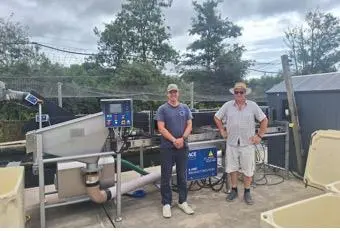
Sea Ventures recycles 15 tonnes of fish waste per month. With a focus on meeting industry standards, it also tests its products for safety purposes and to ensure that they conform to the required nutrient levels. Raw materials and finished products are tested at the Kenya Agriculture and Livestock Research Institute.
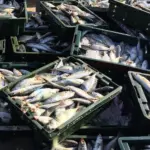
“We work with a variety of waste from entrails, offal, and bones, to skin and other discards,” Mwende told WF. “Large-scale processors tend to discard significant amounts of waste during filleting and packaging, which, for us, is a major source of fish heads, bones and tails. Vendors generate waste when preparing fish for customers, for example at open markets where fish are cleaned on-site, while fishers at landing sites often gut and clean their catch before selling. We have mapped key landing sites, markets, and processing plants in coastal regions to ensure consistent sourcing, and often compensate vendors and processors, creating a win-win dynamic.”
Making a difference
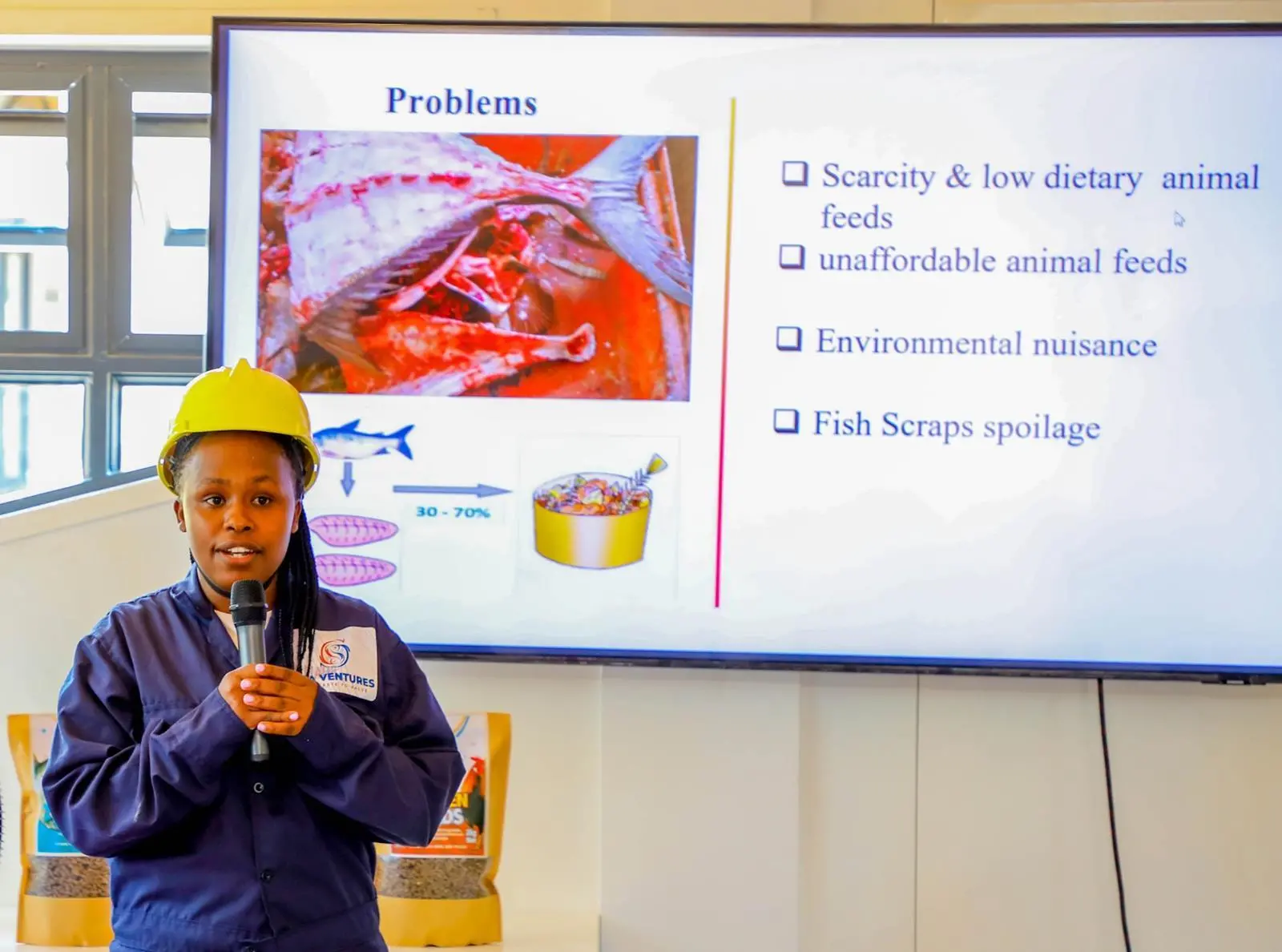
Challenges in Kenya such as post-harvest losses in the fishing industry, scarce and unaffordable animal feeds, low dietary feeds and environmental degradation have been key opportunities for Sea Ventures to make a difference by turning fish waste into feed and fertiliser.
The cost of quality fish feed is prohibitive for many small-scale farmers, who also lack access to modern tools and equipment for fish farming and processing, said Mwende, while fishermen can lose a significant portion of their catch due to inadequate cold storage, poor handling practices, and a lack of infrastructure.
In addition, approximately 60–70% of fish in Kenya goes to waste, while only 30-40% is utilised, representing a considerable loss within the blue economy and fish value chain.
Mwende hopes that by upscaling to more advanced machinery and technology to maximise production, Sea Ventures can help to reduce Kenya’s dependency on imports by developing locally-produced, affordable feed.
“Our work aims to create positive impacts and has high potential to thrive by targeting the scarcity of animal feed and post-harvest losses in Kenya’s fishing industry,” she said.
Favourable market
Like any business venture, Sea Ventures faced an array of challenges in the beginning, including logistical issues in fish waste collection, rising input costs, the demand for feed exceeding supply, and limited access to advanced machinery.
Mwende and her team started with basic equipment, reinvested their profits and sought funding and partnerships to acquire advanced technology and increased production.
Building a reliable network, collaborating with local transporters, actively engaging regulators, and seeking expert guidance have helped Sea Ventures overcome the challenges while driving sustainable impact. The company has also received support and approval from various authorities, including the County Government of Mombasa and the Kenya Fisheries Service.
While competition exists in the animal feed industry, the high demand for animal feed in Kenya presents a favourable market for Sea Ventures, while feedback from fishermen, fishing communities and other stakeholders has been positive and insightful, said Mwende.
“Fishermen and fish processors appreciate the reduction in waste accumulation at landing sites and are relieved at being able to manage waste to improve the cleanliness and functionality of their workspaces,” she said. “They also benefit from being compensated for the fish waste that they provide, turning what was once a burden into a valuable income stream. Communities have also recognised the value in transforming fish waste into products that can enhance local livelihoods. Our efforts have also encouraged a greater sense of responsibility towards managing marine ecosystems sustainably, while the availability of a locally-sourced feed has inspired confidence in Kenyan innovation and the circular economy.”
Upcycling opportunities
Going forward, Mwende believes that environmentally-friendly fish value chains and the reduction of waste through marine by-product utilisation will continue to gain momentum.
With innovations in feed production and waste management systems highly likely in 2025, and as the global focus shifts towards sustainability and circular economy models, these topics are likely to see significant development, she said.
“We can expect more innovations in upcycling fish waste into valuable products, such as biofuel or even leather skin products, she said. “As technology improves, we may see the rise of more efficient, cost-effective processing techniques, allowing for higher-value products and reducing environmental impact. There is also likely to be an increased push for research and development into new ways of utilising marine species by-products like fish skin, bones and organs, by integrating biotechnology and waste-to-value solutions.
“This will foster partnerships between research institutions, sectors like aquaculture, and startups. I hope to see more businesses, especially in coastal and fishing communities, embracing circular economy principles, more efficient and scaleable technologies to process fish byproducts and improve waste collection systems, and increased collaboration where industry leaders and startups work together to exchange best practices and innovative solutions for waste reduction.”
With its commitment to innovation, sustainability and community development, Mwende said that Sea Ventures is poised to become a leader in fish waste upcycling, while contributing to a more efficient and environmentally-friendly fish value chain.
The company aims to build stronger relationships with more fish landing sites, processors and fishing communities for a consistent fish waste supply, expand its sales to new markets, especially in poultry and aquaculture, while educating farmers on sustainable feed options, building more collaborations with local businesses, NGOs and government bodies to enhance impact and sustainability, and invest in research and development to create new products.
Related Articles
 PROCESSING & REFRIGERATION
 SEAFOOD
 SEAFOOD