


Ode expands cod farming into Trøndelag
Ode is teaming up with Namdal Settefisk to expand Norwegian cod farming, increase production capacity and create regional jobs

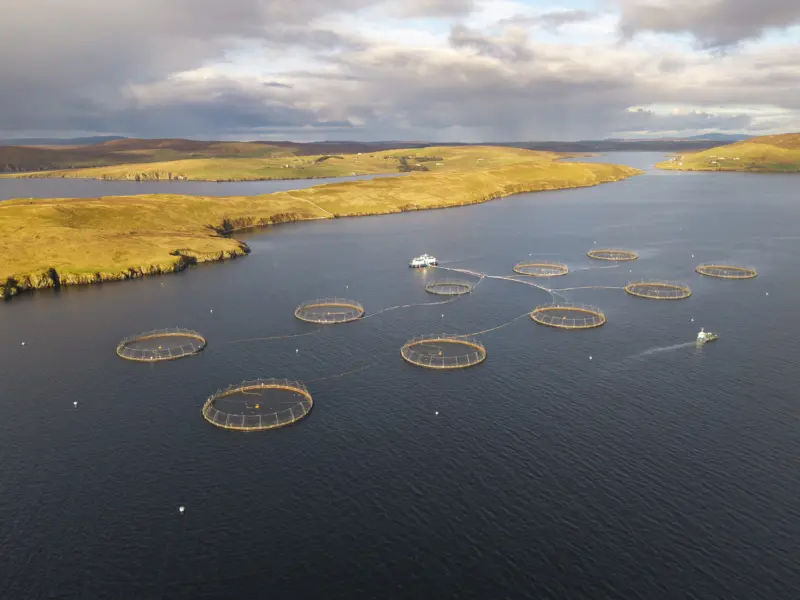
Ode, the world’s largest producer of farmed cod, has established a joint venture with Namdal Settefisk to expand into central Norway and develop six sea sites in the Trøndelag region.
The new company, Ode Namdal, will operate as a subsidiary of Ode, forming an integrated part of its existing business. Operations will begin immediately at two sites, with the remaining four developed over the coming years.
The venture has an initial production capacity of 11,700 tonnes, with potential to exceed 25,000 tonnes. This would increase Ode’s overall annual production capacity to more than 60,000 tonnes.
Ode chief executive Ola Kvalheim said the partnership builds on a strong relationship between the companies.
“We are confident that together we can create the same success in Trøndelag as Ode has achieved in north-west Norway,” he said.
He added that the expansion would strengthen the company’s ability to supply customers with high-quality farmed cod throughout the year.
“Our customers want a range of exciting and innovative cod products with high and consistent quality and reliable and predictable supply every week of the year,” Kvalheim said.
Ode operates an integrated value chain covering hatchery production, farming, harvesting, processing and sales. The company is also investing in processing and value-added production in Norway and international markets.
Tor Olav Seim, Ode’s senior vice-president of business development, said Trøndelag offered an excellent foundation for expansion.
The company has begun recruiting site managers, assistant managers, operations technicians and apprentices for the first two sites in Nærøysund.
When all six sites are fully operational, they are expected to create more than 50 direct jobs, alongside additional employment opportunities among local suppliers.
Ode estimates that every direct aquaculture job generates at least one additional job in the local supply chain.