



MSC model highlights value of certification
A new MSC financial model suggests certified fisheries offer lower risk, stronger resilience and twice the long-term economic value
The Marine Stewardship Council has launched a prototype financial model suggesting well-managed, certified fisheries could be worth twice as much as otherwise comparable, poorly managed operations.
Unveiled during a blue finance panel at the Sustainable Seafood Summit in Tokyo, the model examines how improved fisheries management and MSC certification can influence financial performance, helping banks and investors better assess risk and resilience across seafood supply chains.
Ray Dhirani, head of Capital Markets Outreach at the Marine Stewardship Council and Aquaculture Stewardship Council, said: “There is valuable opportunity for the financial sector to integrate the risk reduction from the MSC certification process into credit assessment, valuation, and the conditions attached to finance for seafood supply chains.”
He added that certification could provide financiers with independently audited, fishery-level evidence relevant to financially material risk assessments.
The model indicates that sustainable management can reduce exposure to nature-related, regulatory, supply chain and reputational risks. Certified fisheries may also benefit from more reliable market access, resilient catches and improved profitability, potentially lowering default risk and strengthening creditworthiness.
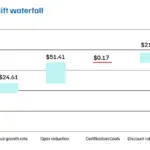
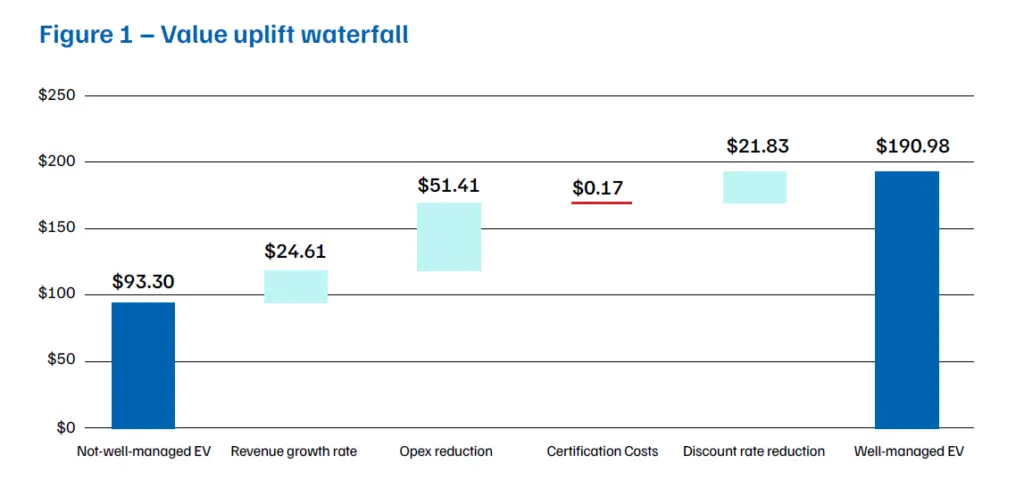
Using a discounted cash flow valuation approach, the prototype estimates that these combined benefits could make a well-managed, MSC-certified fishery approximately 2.05 times as valuable as an otherwise identical fishery without effective management.
The model also suggests certification costs could be outweighed by potential revenue growth and longer-term cost improvements, with certification representing only a small fraction of annual revenue.
The MSC currently reports 789 fisheries working with its programme worldwide, including 624 that are certified. Its science-based, independently audited standard is designed to assess wild-capture fisheries against recognised best-practice requirements.
Based on illustrative scenarios and assumptions drawn from global research and reports, the prototype aims to help integrate fisheries management improvements into mainstream financial assessments, potentially encouraging more investment in sustainable seafood production.