


Nordic certified seafood sales rise
MSC-certified seafood volumes have risen 9% across Nordic markets, as tuna grows and cod supplies decline
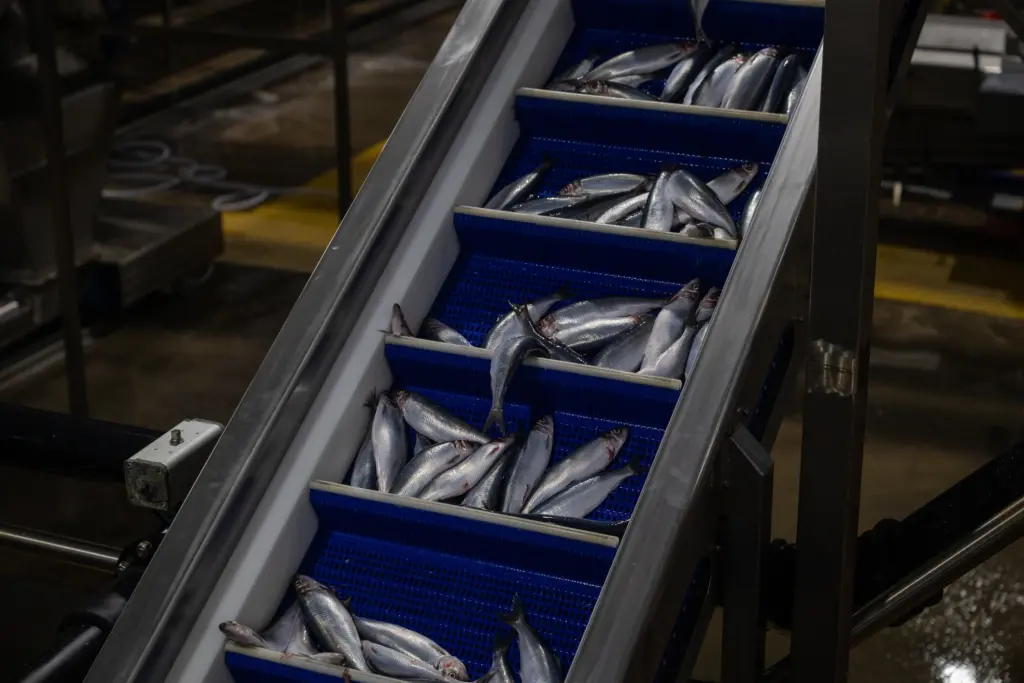
Volumes of Marine Stewardship Council (MSC)-certified seafood sold across Sweden, Denmark, Finland and Norway reached almost 95,000 tonnes in 2025/26, increasing around 9% year on year, according to new market research highlighting shifting consumer demand and changing seafood supply chains.
The figures come from ‘Nordic Region: State of the Market 2026’, the MSC’s first report combining market data from all four countries. Tuna has emerged as a major growth driver, with certified volumes more than quadrupling in five years, while cod volumes have fallen approximately 25% from their 2022/23 level.
Anna Dębicka, programme director for Baltic and Central Europe at the MSC, said: “This first Nordic report shows a market that is not just growing, but changing. Volumes of MSC certified cod are falling, while tuna, pollock and hake are growing.”
Certified tuna volumes exceeded 21,000 tonnes in 2025/26, up 18% on the previous year. Denmark recorded particularly strong growth, with volumes increasing 460% since 2021. Canned seafood also expanded by around 29%, accounting for approximately 28% of the regional total, while frozen seafood remained the largest product category at 39%.
By contrast, certified cod volumes fell around 13% during the latest year, with the number of certified cod products dropping from 337 in 2022/23 to 226 in 2025/26. Reduced quotas, strong demand and higher prices were identified as possible contributing factors. Alaska pollock volumes rose 11%, while hake recorded particularly strong growth.
Sweden remained the largest market, reaching 46,123 tonnes, up 15% year on year. Denmark recorded 21,550 tonnes, Finland 13,922 tonnes and Norway approximately 13,100 tonnes.
Consumer research conducted for the MSC in February and March 2026 found that 84% to 91% of respondents across the four countries were concerned about the state of the world’s oceans. Between 64% and 76% said supermarket and brand sustainability claims should be independently verified.