

Europêche urges targeted fisheries policy reform
Europêche is calling for Common Fisheries Policy reform, stronger international negotiations and practical measures to support struggling European fishing fleets
Europêche has called on the European Commission to include a targeted revision of the Common Fisheries Policy (CFP) in its 2027 Work Programme, expressing disappointment with the EU’s Vision for Fisheries 2040.
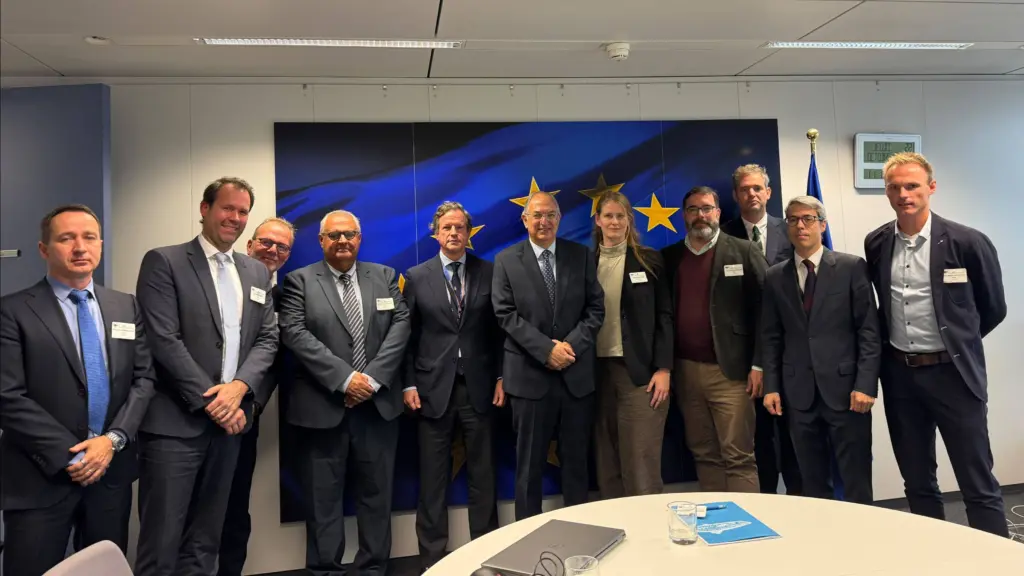
Following a meeting with the Commissioner for Fisheries and Oceans Costas Kadis, the fishing industry association welcomed plans for practical measures in 2027–2028 but stressed that implementation must accompany legislative reform.
The Commission outlined work on measures that could be delivered during its current mandate, including dedicated implementation dialogues with the sector. Europêche said greater clarity was needed on how issues such as the landing obligation could be addressed within the existing CFP framework before further consultations begin.
The association also called for changes to the EU’s external fisheries policy, including revision of the Sustainable Management of External Fishing Fleets Regulation, renewed fisheries agreement protocols and faster incorporation of regional fisheries management measures into EU law. It urged the Commission to secure at least a six-month extension of the EU–Mauritania fisheries protocol beyond its 14 November expiry, warning that the fleet has no alternative fishing grounds available. Europêche also sought compensation provisions if the agreement is not renewed.
On negotiations with coastal states, the association urged the EU to defend established fishing shares and resolve disputes involving mackerel, blue whiting and Atlanto-Scandian herring. It also called for restoration of EU access to Norwegian waters for Atlanto-Scandian herring or compensation for access already paid for.
Europêche welcomed signs of recovery in central Baltic herring and sprat, calling for 2027 fishing opportunities to follow scientific advice. It also highlighted a 62% decline in the EU Atlantic purse-seine fleet, from 21 vessels in 2016 to eight in 2025, and called for removal of the fish aggregating device moratorium.
In the western Mediterranean, Europêche urged an urgent revision of the multiannual management plan and workable fishing days for 2027, arguing that future decisions should reflect conservation efforts already undertaken by fishers and the European Parliament’s recommendations.