
New steel cage marks aquaculture milestone
BAUTA Fishfarms launches pioneering closed steel cage in Norway, paving the way for more sustainable fish farming
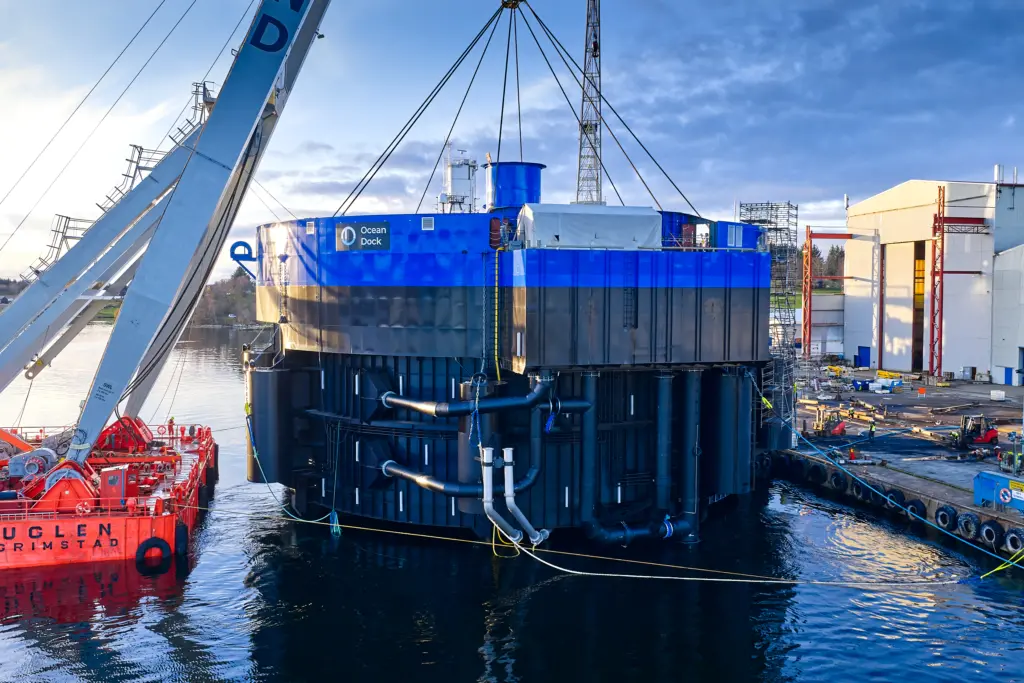
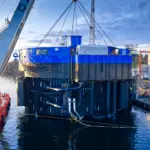
BAUTA Fishfarms has launched a pioneering closed steel fish farming cage in Norway, marking a milestone in the development of new aquaculture technology.
VARIG 001 entered the water at BAUTA Næringspark in Aukra on 1 November, following more than two years of development. The structure is designed to provide greater control over fish farming conditions while reducing the environmental impact of aquaculture.
Development began in spring 2024, with manufacturing starting at the Norwegian facility in spring 2026. The launch followed extensive planning and coordination, involving around 200 people from BAUTA Group and external suppliers.
“This is a major milestone for us,” said Gjermund Kvernmo Langset, managing director of BAUTA Fishfarms and chief development officer of BAUTA Group.
“VARIG represents years of hard work, dedication and a strong belief in our ability to help shape the future of aquaculture.”
The closed steel design combines expertise in steel structures, wellboat operations and land-based and floating containment systems. Its owners – BAUTA Group, Rofisk and Prophylaxia – have established OceanDock, which has bought the first cage and will lease it to a fish farming operator.
BAUTA Group chair John Arve Sundet said the project demonstrated the benefits of collaboration, with several regional suppliers contributing to construction. BAUTA Fishfarms has capacity to manufacture up to 30 cages annually.
The next stage will see VARIG undergo final outfitting before being towed to Gjermundnes in Vestnes, where Prophylaxia will operate it.
The first trial is expected to involve 200,000 fish, introduced six to eight weeks after handover. They will remain in the cage for approximately four months while water circulation, oxygen supply and sludge management are assessed.
Prophylaxia chair Bjørn Vegard Løvik said the testing would generate valuable operational data to support further development and optimisation of the technology.
Related Articles
 SEAFOOD
 AQUACULTURE
 FISHERIES