





Oceana demands processed seafood transparency
Oceana is urging the European Commission to expand labelling requirements for processed seafood products, calling for greater transparency for consumers.
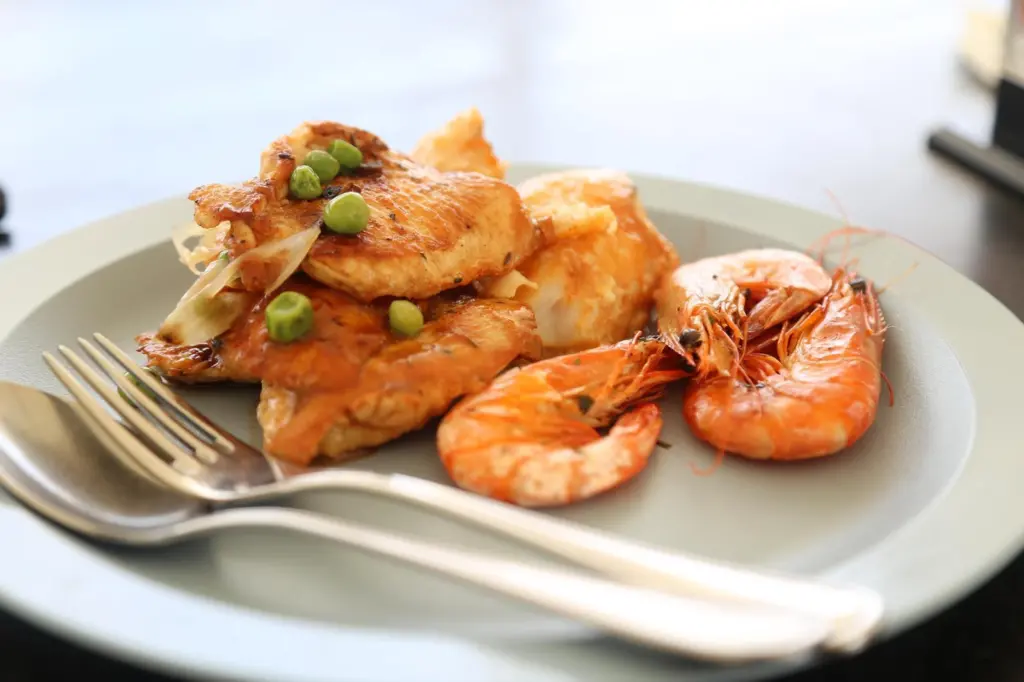
A new analysis from the environmental organisation reveals that nearly 40% of processed seafood products in Belgium, France, and Spain lacks critical information such as species, origin, and fishing methods. This stands in contrast to the strict labelling regulations that apply to fresh seafood in the EU.
“As consumer information is not compulsory for processed seafood products in the EU, citizens do not know what they are eating, where it comes from, or how was it caught,” explained Vanya Vulperhorst, director of Oceana’s illegal fishing and transparency campaign in Europe.
The current lack of information on processed products like canned tuna, fish fingers, or surimi makes it difficult for consumers to make informed choices. Without details on species or production methods, buyers cannot avoid products that may raise environmental or ethical concerns.
The group points out that complex seafood supply chains often obscure unethical practices, including forced labour. Recent research identified European companies importing seafood from China with possible links to labour abuse, as well as fish caught by Russian vessels, despite Russia’s poor record on illegal fishing.
“Enhanced information and transparency would not only empower consumers to make informed and sustainable choices, but also help authorities combat illegal fishing, food fraud, human rights violations, and illicit international trade,” added Vulperhorst.
Oceana is calling on the European Commission to revise its Common Market Organisation regulation to include processed seafood products, mandate science-based sustainability labels, and extend labelling requirements to the food service sector, such as restaurants and hotels.
Related Articles
 SEAFOOD
 SEAFOOD
 PROCESSING & REFRIGERATION