



Project looks to put more meagre on European plates
Meagre (Argyrosomus regius) is a little-known farmed fish with great potential – offering a ready-made, fast-growing alternative to the much better-known and more popular seabass and seabream, according EUFish_SustainableGrowth, a project focused on promoting the consumption of underutilised fish species and products.
Yet to experience any big commercial boom, meagre farming started in the late 1990s in France and Italy. Production is now mainly focused in Greece, Spain, Croatia and Portugal, with the total harvest currently at around 50,000 tonnes.
Funded by BlueBio ERA-Net Cofund under the priority area of “Sustainable and Resilient Biomass Production and Processing”, EUFish_SustainableGrowth maintains that there are many reasons to boost the aquaculture of this species. Among these, its commercial size of between 1.5 and 3kg (with an average value of €5-14/kg) can be reached in only 18 months, while seabream reaches just 400g over the same period. This fast growth is associated with a lower carbon footprint because less energy is needed to produce biomass.
At the same time, meagre production costs are lower, and it is regarded as being more resistant to the bacterial diseases experienced by other fish species.
Within the project, led by Professor Tiziana Pepe at the University of Naples Federico II, scientists are working to develop a modern meagre farming system that minimises pollution. For example, farming in land-based tanks instead of cages may allow the collection and re-utilising of effluents instead of releasing them into the environment.
The project advises that its most important action is to minimise the use of wild fish in feeds and to ensure the traceability of these feed sources. In this regard, one initiative funded under the BlueBio programme and co-funded by Xjenza Malta has the goal to develop a new feed containing underutilised fish species such as bogue and Atlantic horse mackerel.
Maltese aquaculture research company AquaBioTech Group is one of the partners in this endeavour.
AquaBioTech researchers, led by project coordinator Stela Karovic and head of RDI department Dr Simona Paolacci, have already carried out a sustainable harvest of bogue and Atlantic horse mackerel. Icelandic project partner Matis will extract fishmeal and fish oil from the biomass, and then a Greek company will include them in aquafeeds following a recipe designed by fish nutritionist Dr Giovanni Marco Cusimano.
When a feed containing this sustainable source of protein and lipids is finalised, it will be tested on meagre in Malta.
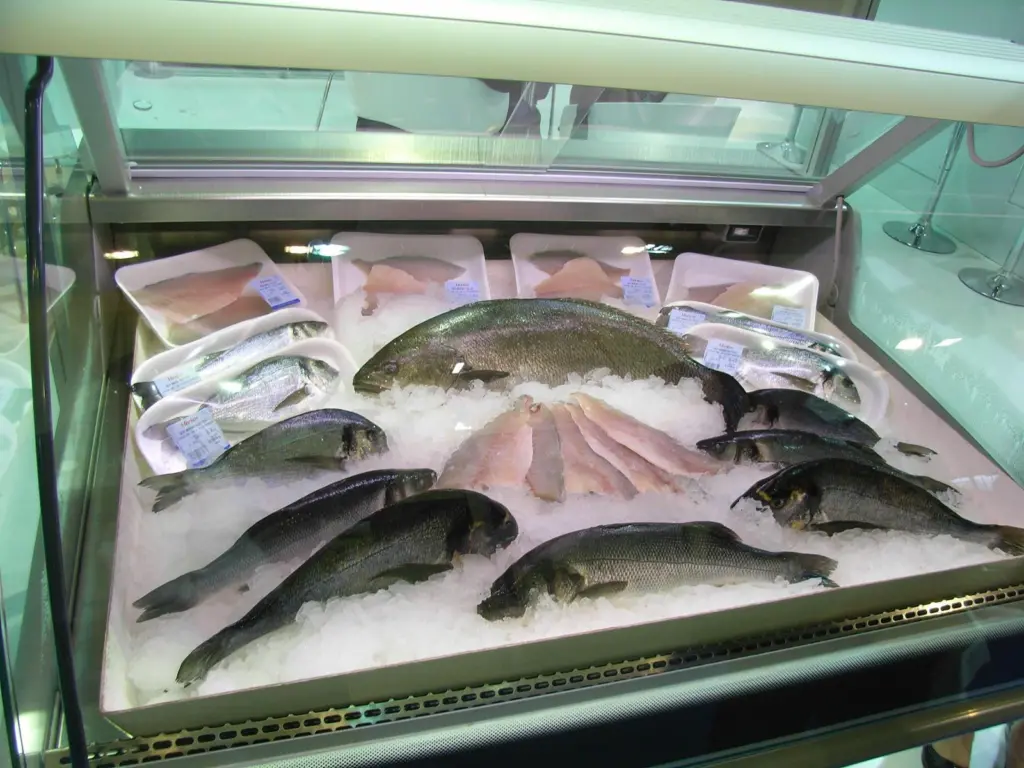
Simultaneously, EUFish_SustainableGrowth is exploring the consumer acceptance of meagre. Currently, the fish is only offered occasionally in European countries, mostly in superior restaurants and sushi bars.
The project notes that it is not easily found easily in supermarkets as buyers tend to want an abundant supply of portion-sized products, in pre-packed formats. This, it believes, represents a market possibility for this species – if it can be processed into fillets, and made available at low prices in different ways, such as skin-on, skin-less, loins, pieces, cubes, and breaded or battered portions.
It also acknowledges that eating habits have drastically changed since meagre was first introduced into aquaculture and that consumer preferences have shifted towards more healthy, accessible, low-cost and easy-to-prepare products due to social and economic changes.
Family structures have changed with an increasing number of singles who demand portion-sized products, while the enlarged low-income population prefer lower-priced food, it said, adding that more people have access to higher education which makes them more health-oriented as they have better understanding risks associated with bad eating habits, while an increasing number of consumers pay attention to the sustainability of the products they purchase.
“The new preferences of consumers could be easily satisfied by meagre, which is a tasty, healthy and sustainable fish. Meagre is still not largely consumed, but it definitely deserves a spot on the dinner table. If scientists and policymakers work together to promote this species and develop an increasingly sustainable farming system, meagre could soon become as common as seabream and seabass in the Mediterranean,” EUFish_SustainableGrowth said.
Related Articles
 AQUACULTURE
 SEAFOOD
 SEAFOOD