



Animal welfare organisation Crustacean Compassion has strongly criticised the UK seafood industry’s newly released voluntary codes of practice, stating they fail to protect decapod crustaceans such as crabs, lobsters, and prawns from inhumane treatment.
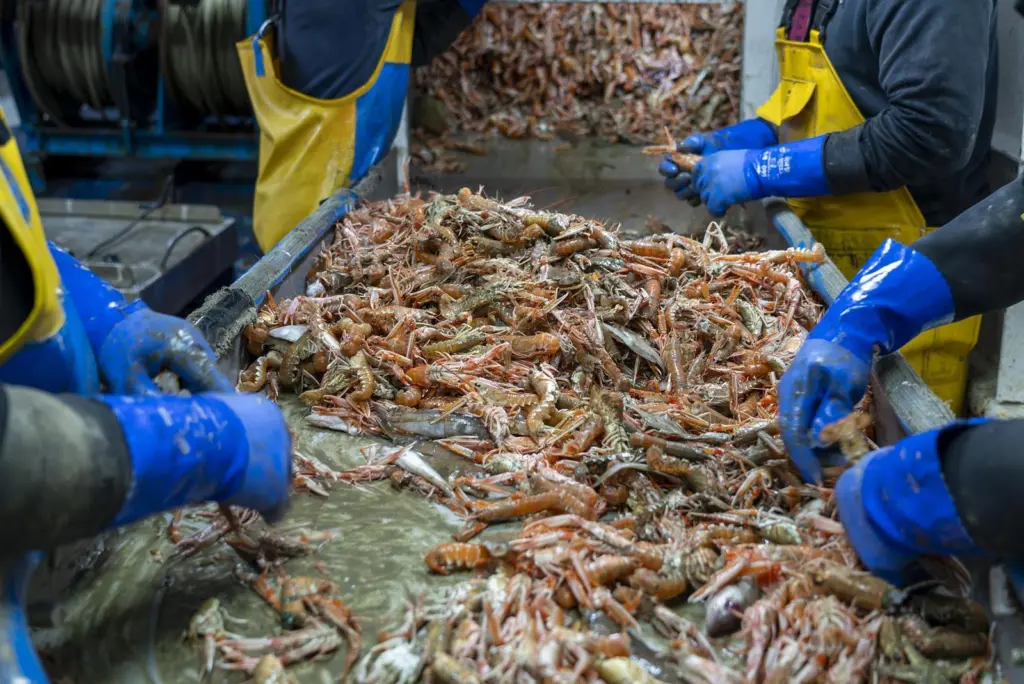
The image shows workers tailing live animals on a seafood production line

Source: Stuart Spray/courtesy Crustacean Compassion

The process of tailing live animals is deemed as being unnecessarily cruel

The much-anticipated guidance, developed by Seafish, the Shellfish Association of Great Britain (SAGB) and the Crab and Lobster Management Group (CMG), was released on 2 August, but the organisation called it a “missed opportunity” to help the UK seafood sector remain competitive amid rising welfare expectations.

“The seafood industry is using smoke and mirrors to give the illusion of improving animal welfare whilst still allowing animals to suffer needlessly,” said Dr. Ben Sturgeon, CEO of Crustacean Compassion.

“The codes were a chance to build on the recognition of sentience in decapod crustaceans, but instead, they are an exercise in doing nothing and will set back welfare standards for years to come.”

Voluntary issue

The organisation argues that the voluntary nature of these codes, which still permit practices such as boiling alive and freezing to death, leaves vulnerable animals at risk and does little to address the reputational, commercial and legal risks posed by poor welfare practices.

Crustacean Compassion is urging the new Labour government to reject the industry’s codes and include decapods in the Animal Welfare Act, ensuring that the UK seafood industry aligns with modern welfare standards.

It said that supermarkets like Marks & Spencer and Waitrose are already setting higher welfare standards for decapod sourcing, highlighting the growing demand for ethical treatment in the seafood supply chain.

Seafood businesses seeking to improve their decapod welfare policies can access free advice and information via the Crustacean Industry Welfare Hub.