


Double certification for Associated Seafoods
Morecambe Bay Oysters, the UK’s largest hatchery, has gained Aquaculture Stewardship Council (ASC) accreditation, while Loch Fyne Oysters – also part of the Associated Seafoods group, has been granted ASC ‘Chain of Custody’. This certification means that the products can now be tracked from source to the final customer.
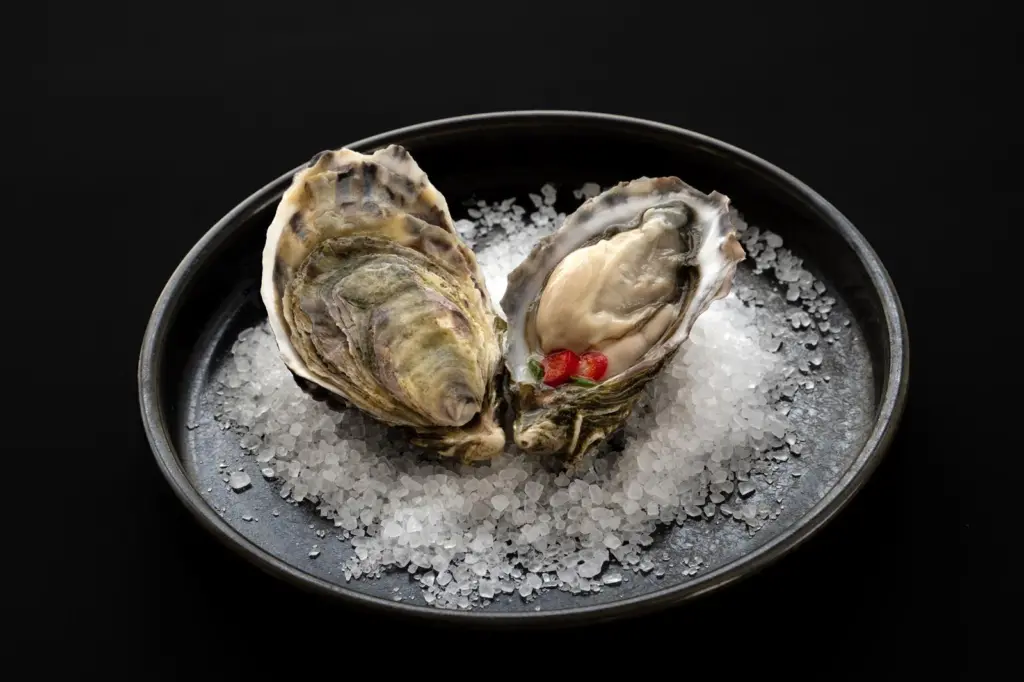
In order to achieve ASC accreditation, it must be demonstrated that farming practices have no negative impact on biodiversity or the ecosystems in which they operate.
Associated Seafoods highlighted that its farms do not use any harmful chemicals, and since marine life feed on naturally available plankton, no additional feed is required. Farming activities are conducted in a way that does not harm the sensitive ecosystems and habitats where they operate.
These practices are carried out at levels that can be comfortably maintained, future proofing the business to tackle the challenges created by climate change and threats to food security, it explained.
Associated Seafoods Managing Director Victor West said securing ASC accreditation is a “significant milestone” for Morecambe Bay Oysters.
“We hope our farming practices not only support the health of local ecosystems, but also contribute to the long-term sustainability of the industry,” he said.
“With Morecambe Bay being an environmentally and ecologically significant location, our accreditation holds particular importance, as the area has several special designations due to its role in supporting diverse wildlife and habitats.
“We are proud to produce delicious and nutritious local food that showcases the best of British aquaculture. Our oysters reflect the rich marine environment of Morecambe Bay, and the importance of offering consumers a product that both tastes great and is responsibly sourced. These achievements would not have been possible without the hard work and dedication from our committed team.”
Morecambe Bay Oysters are produced in the Walney Island Hatchery & Nursery and then grown to maturity in Morecambe Bay using the traditional bag and trestles method of cultivation on intertidal sand-flats.
Related Articles
 FISHERIES
 FISHERIES
 AQUACULTURE